

Oncofertility preservation is one of the most important conversations you can have immediately after diagnosis—even if everything feels like it’s happening too fast. For many patients, the question arises naturally: can the recommended treatment affect my chances of having a child after recovery? In many situations, the answer is that there are real options—and the difference is made by timing, coordination with your oncologist, and choosing the method that best fits your case.
At Genesis Athens, oncofertility preservation means a clear, rapid pathway: specialist consultation, reproductive assessment, a personalized recommendation, and close collaboration with your oncology team. If you want to see from the start how the process works and what options are available, you’ll find details here about fertility preservation for oncology patients (oncofertility).
What oncofertility preservation means
Oncofertility preservation includes all methods used to protect reproductive potential before treatments that may affect the ovaries or testes. In clinical practice, the most common options include cryopreservation of eggs, embryos, or sperm. In selected situations, ovarian tissue cryopreservation may also be discussed, when there is a clear indication and safety conditions are carefully evaluated.
The key is to view this decision as a medical plan—not as a “rushed choice.” The oncology context dictates the calendar, and the goal is to keep as many future options open as possible without compromising the primary treatment. For detailed information about what can be cryopreserved and how procedures are performed, you can consult: Cryopreservation of eggs, sperm, embryos, ovarian tissue.
Why timing matters before cancer treatment
In oncofertility preservation, time plays a practical role: some methods are easier to implement before chemotherapy or radiotherapy, and the available window differs from case to case. That’s why it’s recommended to discuss fertility as early as possible after diagnosis—ideally before starting treatment—when there is the greatest flexibility in choosing a strategy.
This does not mean delaying oncology therapy unnecessarily. It means a rapid evaluation and a team decision about what is feasible and safe in your specific situation. Sometimes there is enough time for a full procedure; other times a more time-appropriate alternative is chosen. In all situations, coordination with the oncologist is essential.
How cancer treatments can affect fertility
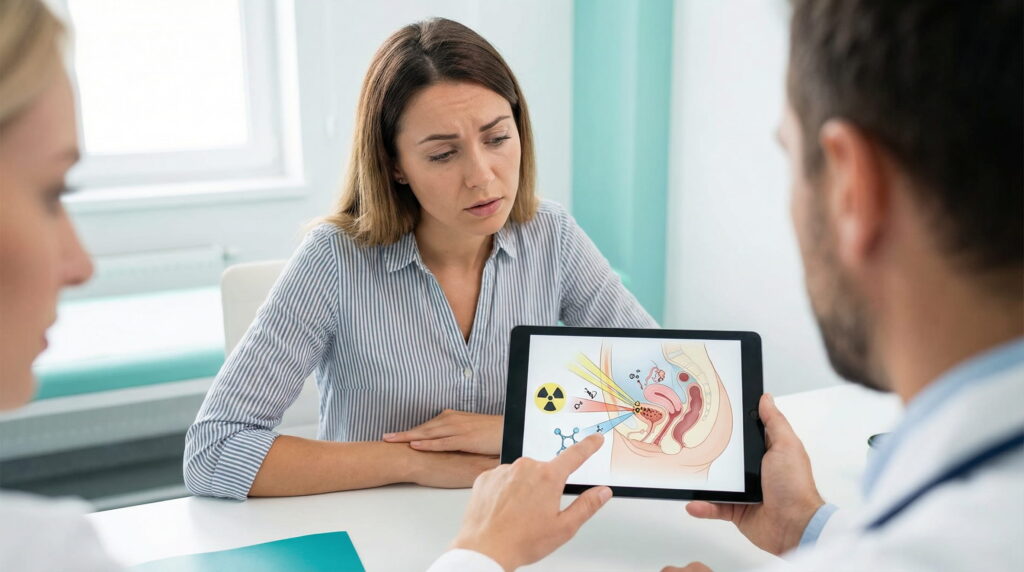
Cancer treatments can influence fertility in different ways, depending on the cancer type, treatment regimen, doses, age, and individual biological reserves. Some chemotherapy protocols may reduce ovarian reserve or affect testicular function, and radiotherapy may have direct effects when it includes the pelvic area or when gonadal exposure cannot be avoided.
Surgical interventions can change reproductive anatomy or affect function indirectly, and hormonal therapies—especially in hormone-sensitive cancers—add another layer of complexity. That’s why oncofertility preservation is not based on “general rules,” but on individual assessment and multidisciplinary decision-making.
“You deserve to be listened to, seen, treated with respect, and supported throughout your life.”

Andreas Vythoulkas
Specialist in Obstetrics and Gynecology


Oncofertility preservation options for women
Egg cryopreservation (freezing eggs)
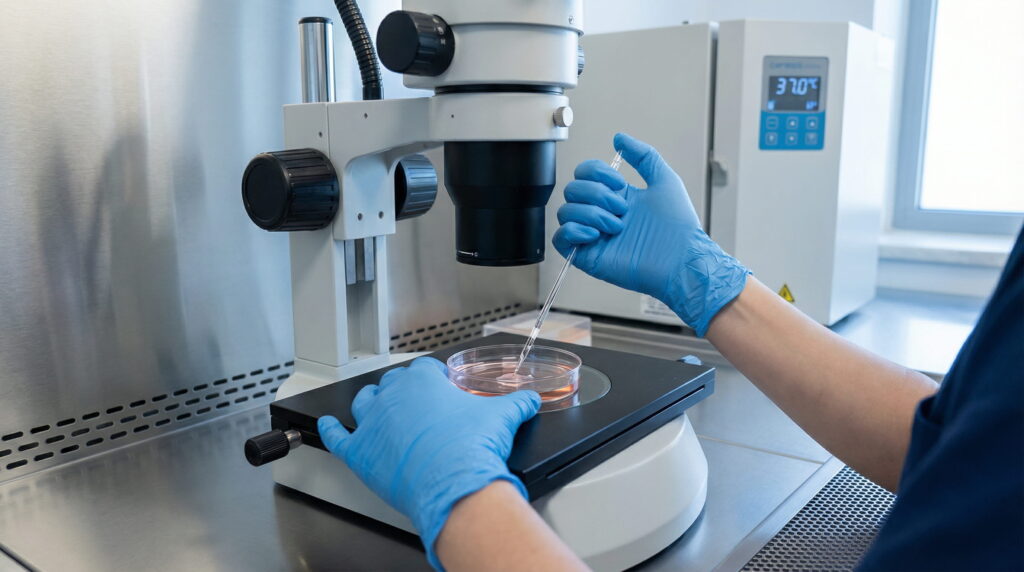
For many patients, egg cryopreservation is one of the most commonly used options in oncofertility preservation, when there is a time window before treatment. The process involves controlled ovarian stimulation, careful monitoring, and egg retrieval, followed by freezing using modern methods (vitrification). This option can offer flexibility, especially when creating embryos is not desired or not possible at that moment.
During the consultation, we discuss the timeline realistically and what can be achieved safely, taking into account the urgency of oncology treatment and the patient’s profile.
Embryo cryopreservation
Embryo cryopreservation may be suitable when there is a partner and when this choice makes medical and personal sense. After egg retrieval, fertilization takes place in the lab, and the resulting embryos are frozen for later use—after treatment is completed and once the oncology team confirms it is safe to resume a reproductive plan.
For patients who want to understand early on how this step fits into assisted reproduction, you’ll find clear information here: In Vitro Fertilization (IVF), and for an in-depth, step-by-step overview, you can consult IVF – Complete Guide.
Ovarian tissue cryopreservation (in selected situations)
In certain cases, ovarian tissue cryopreservation may also be discussed, but it is not a routine option and requires careful selection. In oncofertility preservation, this intervention is considered based on cancer type, treatment plan, and the safety profile. The goal is to consider it only when there are strong medical arguments and when the multidisciplinary team deems it appropriate.
Adjunct measures for ovarian protection
There are situations where adjunct measures to protect ovarian function during certain treatments are discussed, but they have limitations and do not replace cryopreservation. If they have a role, it is determined individually, in agreement with the oncologist, as part of a coherent plan.
Oncofertility preservation options for men
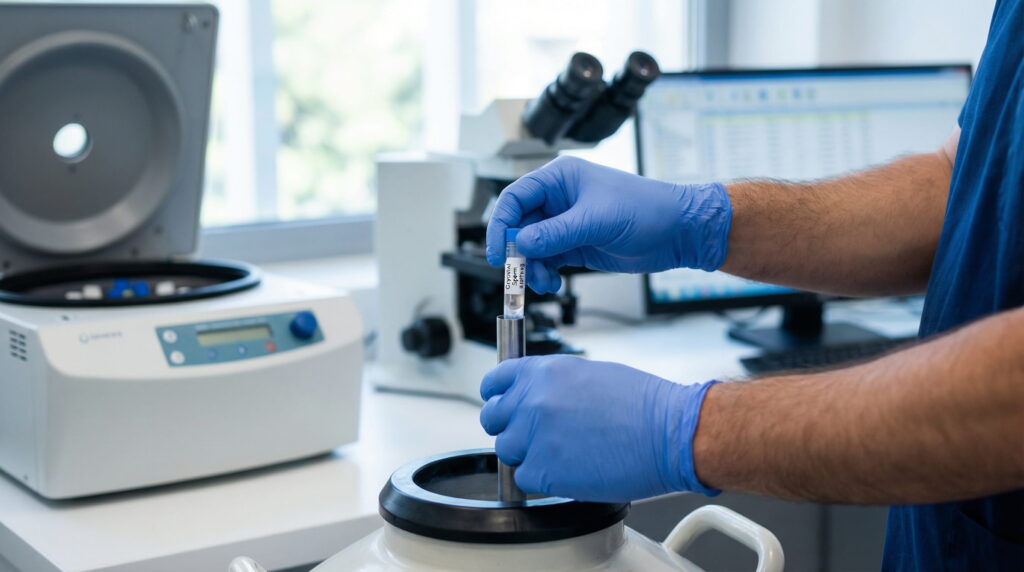
For men, sperm cryopreservation is most often the fastest and most accessible method in oncofertility preservation. Collection is performed before treatment, the sample is analyzed and frozen, and it can later be used depending on the reproductive plan.
In some cases, standard collection may be difficult, and alternatives are discussed depending on context and available time. The central idea remains the same: the earlier the conversation happens, the more options can be preserved.
The patient pathway in oncofertility preservation
Many patients need clarity: what happens next, concretely? In oncofertility preservation, the pathway is designed to be efficient and well coordinated.
It begins with scheduling a consultation and gathering key information from the oncology plan, so that recommendations are realistic and safe. Next comes the reproductive assessment, tailored to each case. Based on this data, we establish a personalized plan: the chosen method, timeline, and procedural steps, alongside informed consent.
Then comes the procedure itself (for example egg retrieval, embryo cryopreservation, sperm collection, or the specific intervention for ovarian tissue when indicated). The final stage is cryopreservation and setting a follow-up plan, so the patient knows exactly what was done and what options will exist after treatment.
If you’d like a more personal perspective on the assisted reproduction journey, you can also read about the patient experience with IVF. For complementary information in an educational tone, you can also consult: Fertility preservation for oncology patients.

Oncology safety and common myths
“Is ovarian stimulation safe in an oncology setting?”
This is a legitimate question, especially in hormone-sensitive diagnoses. There is no universal answer, because safety depends on cancer type, tumor receptor status, treatment urgency, and the recommended protocol. In oncofertility preservation, the decision is always made in a multidisciplinary context, together with the oncologist, and adapted protocols are chosen when indicated.
“Will I lose precious time before treatment?”
The goal is not to “delay” oncology therapy, but to rapidly assess what is possible within the available window. In many situations, steps can be organized efficiently. When the calendar is very tight, realistic alternatives are discussed—without forcing a method that doesn’t fit.
“Will I be able to have a child after cancer?”
In many cases, yes—but it depends on when it is medically safe, oncology recommendations, and your reproductive situation after treatment. That’s why oncofertility preservation is about long-term options, not quick promises.

The multidisciplinary team—working with your oncologist
A strong oncofertility preservation plan is built on real collaboration between specialties. Communication with your oncologist helps align the timeline, choose the most appropriate method, and reduce uncertainty. In practice, the reproductive medicine team needs to understand the type of treatment, urgency of initiation, and any restrictions in order to recommend a feasible, safe plan.
At Genesis Athens, this working model is integrated into how we manage oncology cases, and details about evaluation, steps, and options are also explained on our service page: Fertility preservation for oncology patients (oncofertility).
Helpful questions for your consultation
To feel better prepared, it can help to enter the consultation with a few clear reference points. In many cases, the discussion becomes simpler when you focus on what matters most:
- How much time do we have before treatment begins, and what options are realistic in that interval?
- Which method is recommended for me, and why (eggs, embryos, sperm, or another option)?
- What does the procedure involve, concretely, and how does it synchronize with oncology treatment?
- How is the cryopreserved material stored, and what are the steps when I want to use it?
- How do you collaborate with my oncologist so the plan stays coherent?
Frequently Asked Questions
When should I schedule an oncofertility preservation consultation?
As early as possible after diagnosis—ideally before starting treatment—so you have more options and a more flexible timeline.
Are there solutions if oncology treatment must start very quickly?
Sometimes, yes. A rapid assessment is done to determine what is feasible and safe, based on urgency and clinical context, together with the oncologist.
What’s the difference between egg and embryo cryopreservation?
Eggs are frozen unfertilized, while embryos are created after fertilization in the lab and then frozen. The choice depends on personal and medical context.
Is sperm cryopreservation sufficient in most cases?
For many men, it is the standard and effective method—especially when done before treatment begins.
Can I pursue oncofertility preservation if I have a hormone-sensitive cancer?
It may be possible in certain situations, with adapted protocols and the oncologist’s agreement. The decision is multidisciplinary.
How long do the steps to cryopreservation usually take?
It depends on the chosen method and the time window before treatment. The timeline is set individually, prioritizing safety and feasibility.
What risks or side effects can occur?
Side effects related to medication or the procedure can occur and are explained during consultation, based on your medical history and the recommended method.
What happens to the cryopreserved material, and when can it be used?
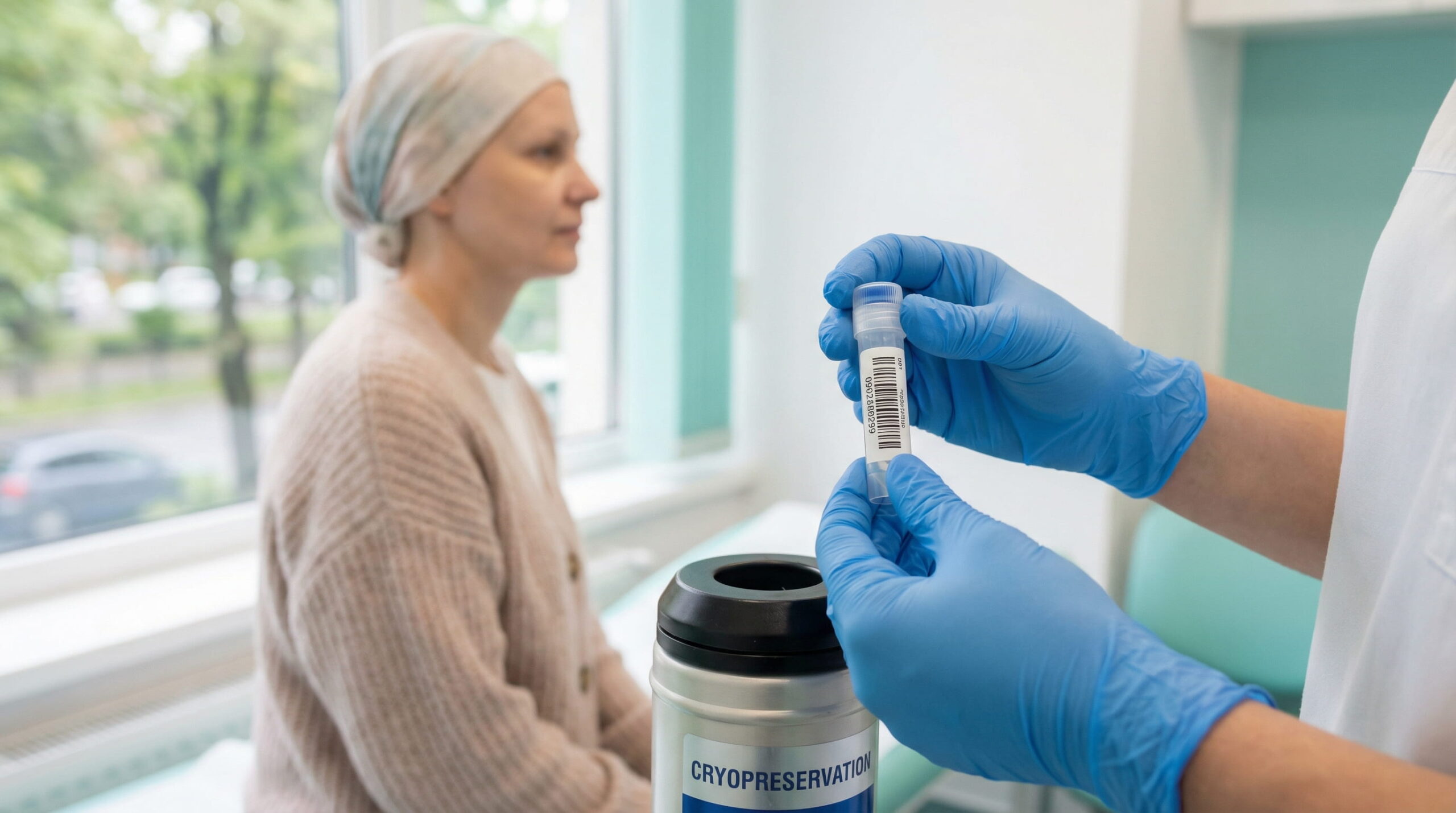
It is stored under controlled conditions, according to laboratory protocols. The timing of use is decided later, after treatment, when it is considered medically safe.

Why choose Genesis Athens for oncofertility preservation?
In oncofertility preservation, you need two things at the same time: medical competence and practical organization. Decisions are made in an emotionally intense context, and the schedule can be tight. At Genesis Athens, we focus on fast consultations, clear evaluation, and multidisciplinary collaboration, so that the fertility preservation plan fits the oncology reality—not just “in theory.”
Another important element is the team’s experience and the laboratory infrastructure for cryopreservation. For those who want to understand the technical side in detail and the available options, we explain the procedures here: Cryopreservation of eggs, sperm, embryos, ovarian tissue.
And if, after treatment, your reproductive plan includes assisted reproduction, you have complete, easy-to-follow resources available: In Vitro Fertilization (IVF) and IVF – Complete Guide. For an educational complement from a personal, empathetic perspective, you can also consult: In Vitro Fertilization (IVF) and Fertility preservation for oncology patients.
Speak with a specialist about
Fertility Preservation for Oncology Patients
Sources:
- ASCO Guideline Update (2025): Fertility Preservation in People With Cancer
- ESHRE Guideline (2020): Female fertility preservation
- ASRM Committee Opinion (2019): Fertility preservation in patients undergoing gonadotoxic therapy or gonadectomy
- ESMO Clinical Practice Guideline: Fertility preservation and post-treatment pregnancies in post-pubertal cancer patients
- National Cancer Institute (NCI): Female Fertility and Cancer Treatment
Fertility Preservation for Oncology Patients
Specialist in Obstetrics and Gynecology
Similar Articles

Endometrial Polyp (Uterine Polyps): Impact on Implantation and When Intervention Is Recommended
Specialist in Obstetrics and Gynecology

How Embryo Donation Works
Specialist in Obstetrics and Gynecology

Polycystic Ovaries: What They Mean and How They Can Influence Ovulation and Pregnancy
Specialist in Obstetrics and Gynecology