

An ovarian cyst is a fluid-filled (or, more rarely, mixed-content) formation that develops on the ovary. In many cases, cysts are benign and may resolve on their own without treatment. However, there are situations where monitoring is no longer enough, and surgical removal becomes the right recommendation—for your safety, symptom control, or to protect ovarian function.
On this page, you’ll find clear criteria for when surgery is indicated, which type of operation may be chosen, and what recovery looks like—especially important if you’re trying to conceive.
What an ovarian cyst is—and when removal becomes necessary
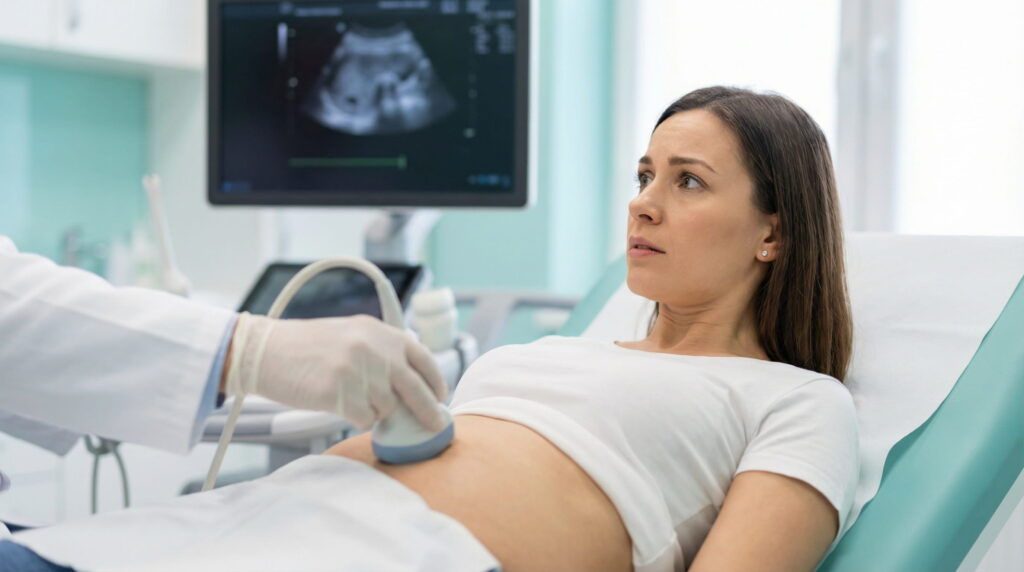
Ovarian cysts can appear at any age, but the most common are functional cysts, related to ovulation. These typically reabsorb over time and often only require ultrasound follow-up.
Ovarian cyst removal is considered when a cyst persists, grows, causes symptoms, has an ultrasound appearance that warrants further evaluation, or carries a risk of complications. The goal is to choose a safe, proportionate solution while preserving as much healthy ovarian tissue as possible.
When surgery is recommended
The decision is not based on a single criterion but on the full clinical picture: symptoms, size, ultrasound appearance, how it evolves over time, age, and reproductive plans.
In general, surgery may be recommended if you have:
- persistent pelvic pain
- a sensation of pressure
- bloating that isn’t explained by other causes
- recurrent episodes that interfere with daily life
Surgery is also discussed when the cyst does not resolve on repeated follow-ups or shows features that justify caution and diagnostic clarification.
There are also situations where timing is critical—such as suspected torsion (twisting of the ovary), cyst rupture, or bleeding into the cyst. In these scenarios, prompt evaluation is essential.
Types of surgery: what “ovarian cyst removal” can mean
“Ovarian cyst removal” can mean different things depending on the type of cyst and your clinical context.
Most commonly, the aim is a cystectomy, meaning removal of the cyst while preserving the ovary. This is typically preferred when feasible—especially for younger patients and those who want to conceive.
In certain specific situations (for example, if the ovary is severely affected or if there are concerns requiring a broader approach), your doctor may recommend a more extensive procedure. These decisions are individualized and based on investigations and medical discussion.
Laparoscopy vs. laparotomy: how the approach is chosen
Today, for many ovarian cysts, laparoscopy is the preferred approach because it involves small incisions, faster recovery, and usually less postoperative discomfort. In our clinical pathway, this approach is used whenever it is safe and appropriate for your case.
For details on indications, preparation, and what the procedure involves, see the Laparoscopy treatment page.
By contrast, laparotomy (open surgery) may be recommended in certain contexts—such as very large cysts, complex adhesions, or when the surgeon considers open access safer. The choice isn’t about “better” or “worse,” but about the safest option for your situation.
For additional perspective on minimally invasive surgery, you may also find the Laparoscopy resource helpful.
Preparing for surgery

Before surgery, the goal is to understand the cyst type as clearly as possible and reduce perioperative risks. Typically, preparation includes a gynecological consult, transvaginal ultrasound (and sometimes abdominal ultrasound), blood tests, and pre-anesthesia assessment.
Depending on age, cyst appearance, and medical history, additional investigations may be recommended. Sometimes a pelvic MRI helps characterize the lesion. Tumor markers may be recommended selectively—only when they genuinely add value in context, not “routinely.”
If you take medications (including anticoagulants) or supplements, it’s important to discuss in advance what should be stopped and what should be continued. If you’re trying to conceive or already following an assisted reproduction plan, the approach is personalized.
In these situations, surgery can be coordinated with your IVF pathway to minimize delays and protect ovarian function.
“You deserve to be heard, seen, treated with respect, and supported throughout your life.”

Andreas Vythoulkas
Specialist in Obstetrics and Gynecology


What happens during the procedure
The procedure is usually performed under general anesthesia. Duration varies based on cyst type, size, and any intraoperative findings (for example, adhesions). With laparoscopy, instruments are introduced through small incisions, and the cyst is carefully separated from healthy ovarian tissue to preserve as much ovary as possible.
After ovarian cyst removal, the specimen is sent for histopathology, a standard step that confirms the diagnosis. The result offers clarity and guides next steps if needed.
In some cases, a cyst may be associated with endometriosis, which can cause pain and affect fertility. If clinical or imaging signs point in this direction, the evaluation and surgical plan require additional attention.
When relevant, management also includes endometriosis treatment, so the intervention is coherent rather than fragmented.
For a complementary perspective on endometriosis management, you can consult the page of Dr. Andreas Vythoulkas.
Recovery after ovarian cyst removal

Recovery depends on the type of procedure, your individual case, and general health. In the first days, it’s normal to have manageable discomfort and a short period of readjustment as you resume activities. After laparoscopy, many patients return to light activities sooner than after open surgery, but recommendations remain individualized.
You will typically receive clear instructions about incision care, mobilization, diet, pain control, and when to resume physical activity. A postoperative follow-up is important to check healing and discuss the histopathology result.
Risks and possible complications
Any surgery has risks, even when they are low in many cases. Potential risks include bleeding, infection, anesthesia reactions, or adhesions. There is also a risk of recurrence depending on cyst type and hormonal context.
The goal of the preoperative discussion is for you to understand what is likely, what is rare, and what safety measures are used. You’ll also be advised on symptoms that require rapid medical contact.
Urgent evaluation is warranted if you develop:
- sudden severe pain that doesn’t improve
- fever or chills
- marked dizziness or fainting
- persistent vomiting
- heavy bleeding
Impact on fertility and your pregnancy plan
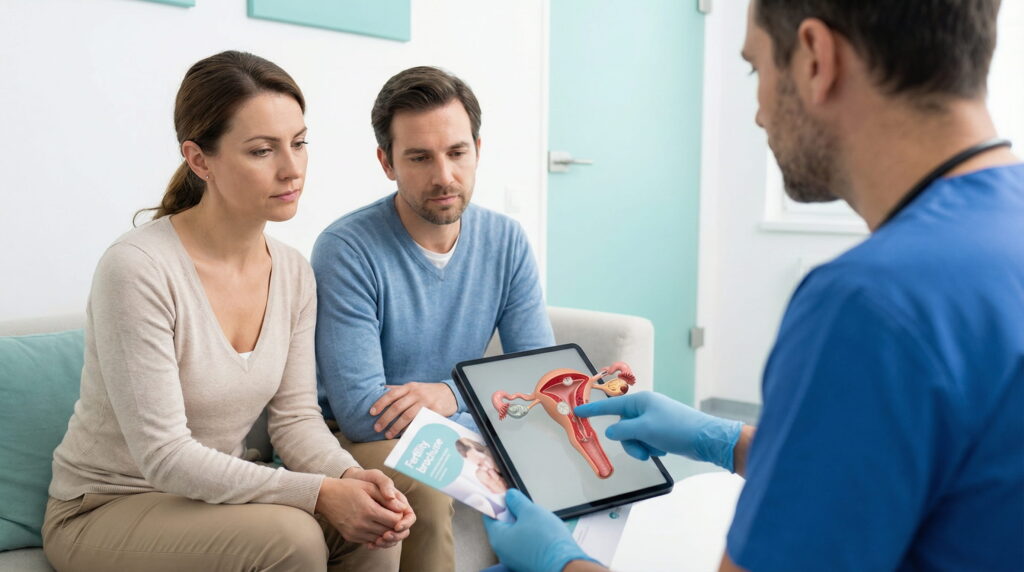
For many patients, the key concern is whether surgery affects the chance of pregnancy. In most cases, the goal is ovarian preservation, and ovarian cyst removal can improve comfort—and in some situations, help optimize the pelvic environment.
However, some cyst types are more often associated with endometriosis or inflammation. In these cases, the balance between “removing the lesion” and “protecting ovarian reserve” must be weighed carefully. When fertility is a priority, the plan is built with the medical team, taking into account age, ovarian reserve, reproductive history, and next steps.
Frequently Asked Questions
Do all ovarian cysts need surgery?
No. Many functional cysts resolve spontaneously and only require monitoring. Surgery is recommended when a cyst persists, grows, causes significant symptoms, or has features that require clarification.
When is laparoscopy preferred?
Most often when cyst size and appearance allow a minimally invasive approach and the clinical context is favorable. The decision is made after imaging and consultation.
Will surgery affect my fertility?
In general, the goal is to preserve the ovary, and a carefully performed cystectomy can protect ovarian function. In special situations (for example, endometriosis), the plan is personalized to balance treatment with ovarian reserve protection.
How long will I stay in the hospital?
It depends on the type of surgery and postoperative evolution. In many laparoscopic cases, hospitalization can be short, but your doctor will tell you what fits your situation.
How long does recovery take?
After laparoscopy, many patients return to light activities relatively quickly, but full return to intense physical activity is gradual and guided by medical recommendations. After laparotomy, recovery is generally longer.
Can the cyst come back?
Yes, recurrence is possible depending on cyst type and hormonal factors. Follow-up and sometimes medical management can reduce recurrence risk.
When can I try to conceive?
In most cases, you’re advised to wait for full healing and the postoperative check. The exact timing depends on the procedure and your reproductive plan, and your doctor will provide individualized guidance.
When does it become an emergency?
If you develop sudden severe pain, with or without nausea, vomiting, dizziness, or fainting, you need urgent evaluation to rule out torsion or rupture.

Why Choose Genesis Athens for Ovarian Cyst Removal
When choosing a gynecological procedure, it is not only the surgery itself that matters, but the entire pathway: accurate evaluation, the right decision for your case, intraoperative safety, and how recovery is managed.
At Genesis Athens, the approach is structured so you receive a clear plan, based on relevant investigations and a transparent medical discussion. The procedure is recommended when there is a real benefit for your health, and when fertility is a priority, the plan is designed in line with reproductive goals and with protecting ovarian function.
We emphasize minimally invasive surgery when indicated, safety protocols, clear medical communication, and continuity of care, from diagnosis through postoperative follow-up.
Speak with a specialist about
Ovarian Cyst Removal
Sources:
Ovarian Cyst Removal | What You Need to Know
Specialist in Obstetrics and Gynecology
Similar Articles

Multiple Pregnancy After IVF: Risks, Monitoring, and Specific Features
Specialist in Obstetrics and Gynecology

Important Prenatal Tests During Pregnancy
Specialist in Obstetrics and Gynecology

Spermogram Interpretation: Normal Values, Common Abnormalities and What They Mean for Fertility
Specialist in Obstetrics and Gynecology